Why Picking the Best General Contractor Is Key for Your Project
Choosing the right construction professional is a pivotal choice that can significantly influence a project's success. A qualified contractor ensures efficient management and adherence to budgets. Their ability to handle obstacles and preserve clear communication is vital. However, many project owners overlook important factors in this selection procedure. Comprehending these elements can contribute to improved outcomes and increased contentment. What should one evaluate when making this significant decision?
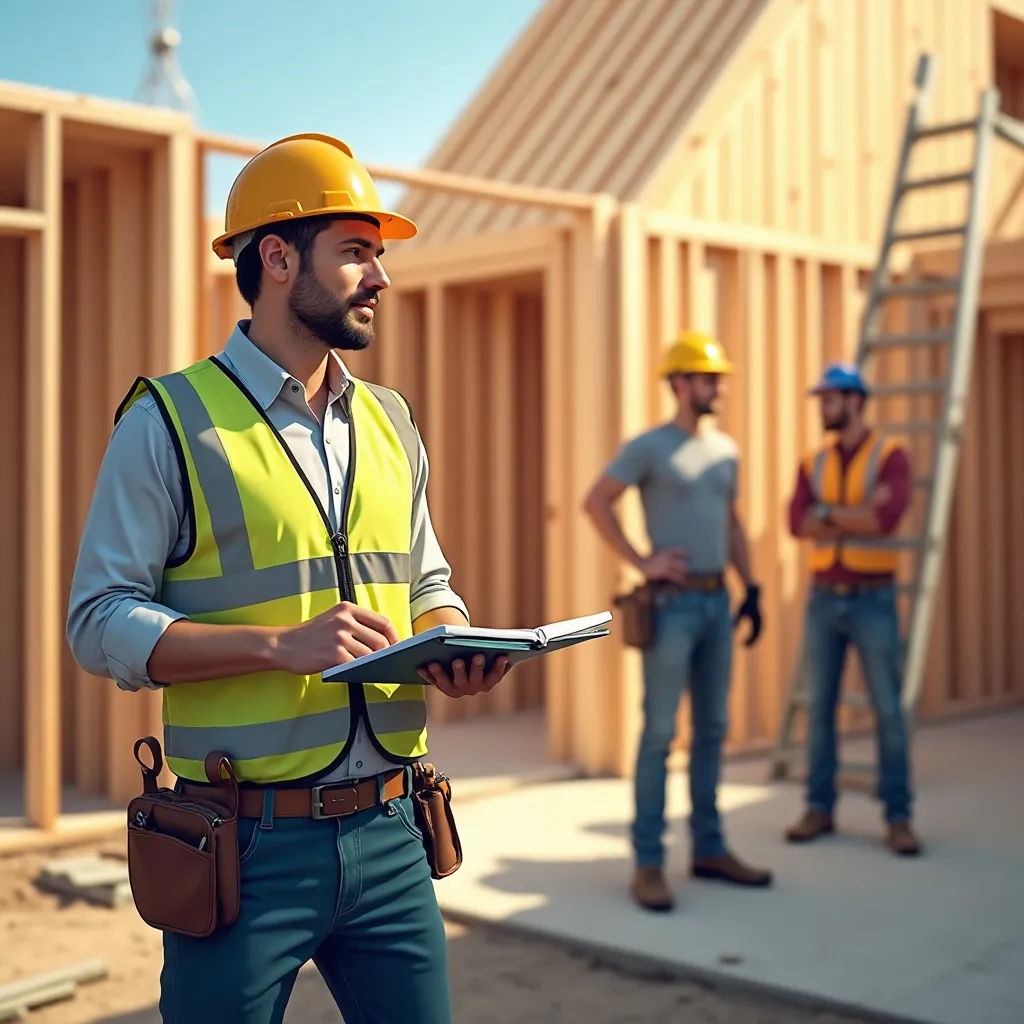
Common Obstacles in Choosing a General Builder
When selecting a general contractor, potential clients often face several common challenges that can complicate the selection process. One major obstacle is the vast quantity of choices on offer, which can result in confusion and indecision. Customers may struggle to distinguish among contractors based on credentials, background, and cost, rendering it challenging to identify who will best satisfy their project needs.
Another difficulty is learn the facts the lack of transparency in contractor proposals, where hidden costs may surface subsequently, affecting the project finances. Additionally, clients may face issues related to interaction; some contractors may neglect to keep clients informed throughout the process, causing frustration. In conclusion, clients often grapple with confirming a contractor's references and past work, which can lead to uncertainty about the quality of service anticipated. These obstacles require thorough deliberation and investigation to guarantee the correct decision is selected.
The Value of a Reputable Project Manager
A dependable general contractor plays an essential role in ensuring project management efficiency and maintaining quality assurance standards. Their skill helps optimize processes, reducing delays and costs. Additionally, a trustworthy contractor upholds high standards, resulting in superior craftsmanship and client satisfaction.
Optimize Project Supervision Results
Successful project execution is dependent on the reliability of a general contractor. A reliable contractor guarantees that timelines are respected, resources are properly distributed, and communication runs smoothly among all stakeholders. Their ability to manage subcontractors, suppliers, and laborers has a direct influence on the advancement and ultimate success of the project. A reliable contractor anticipates obstacles, implements remedies promptly, and maintains focus on project objectives, minimizing delays and controlling cost overruns. This effectiveness fosters teamwork that allows for necessary changes and upgrades. Ultimately, the general contractor's reliability enhances both project operations and trust among clients and team members, guaranteeing all stakeholders stay coordinated towards a successful conclusion.
Quality Assurance Specifications
Reliable general contractors fulfill a significant role in enforcing quality assurance measures throughout the course of a project. They guarantee that all work adheres to established guidelines and industry best practices, a key aspect for the lasting quality and safety of the structure. A competent contractor provides careful oversight of materials and workmanship, conducting regular inspections to detect and correct problems quickly. This proactive strategy addresses risks associated with inferior construction, ultimately protecting the investment. Furthermore, a reliable contractor fosters communication among all stakeholders, assuring expectations are clear and met. By emphasizing quality assurance, a skilled general contractor not only improves the finished product but also builds trust with clients, laying the foundation for successful project outcomes.
Examining a Professional's Qualifications and Reputation
When assessing a general contractor, grasping their experience and standing is vital, as these elements significantly affect project outcomes. A contractor's experience typically shows their ability to manage different kinds of projects, complexities, and hurdles. Reviewing their portfolio provides understanding into past projects, showcasing craftsmanship and meticulous attention to detail.
In addition, reputation functions as a vital role in creating trust. Prospective clients should seek online reviews, testimonials, and references to determine satisfaction levels from previous clients. Connecting with past customers can reveal the contractor's reliability, communication skills, and maintaining timelines and budgets.
Moreover, industry affiliations and credentials can improve a contractor's trustworthiness, demonstrating a commitment to excellence and ethical practices. By thoroughly evaluating both expertise and track record, clients can make informed decisions, eventually setting the stage for a thriving construction project.
Vital Characteristics of a Honest Contractor
A dependable contractor regularly demonstrates honesty, openness, and strong communication skills. These vital qualities form the foundation of a prosperous working relationship. Integrity guarantees the contractor conforms to moral standards, providing honest evaluations and realistic schedules. Transparency involves openly sharing assignment information, encompassing costs and potential challenges, fostering trust between the contractor and the client.
Robust interpersonal skills allow the contractor to effectively convey ideas, understand client needs, and promptly address any concerns that occur during the project. Furthermore, a dependable contractor demonstrates flexibility, responding to changes and unforeseen circumstances with flexibility and composure. Careful attention to detail is an additional key trait; it shows a commitment to excellence and accuracy in every aspect of the work. Ultimately, these characteristics not only enhance project outcomes but also add to a positive experience for clients, making the selection of a trustworthy contractor all the more critical.
Critical Topics to Ask When Hiring Your General Contractor?
What approach can a person take to ensure they pick the right general contractor for their project? By posing a collection of targeted questions, potential clients can more effectively assess candidates. First, inquiring about the contractor's experience with comparable assignments offers insight into their expertise. It's also vital to request for references; conversing with previous clients can reveal the contractor's reliability and standard of work.
Following this, examining licensing and insurance establishes that the contractor meets legal standards and protects the client from potential liabilities. Clients should further ask about timelines and project management plans to gauge how the contractor intends to oversee the project efficiently.
Budget conversations are essential; requesting a detailed estimate avoids surprise expenses later. Finally, understanding the contractor's preferred communication style can lay the groundwork for a productive working relationship. By tackling these important inquiries, clients can choose wisely in choosing their general contractor.
Why Communication Is Important With Your Contractor
Effective communication with a contractor is essential for work success. Establishing clear expectations and providing prompt updates can prevent misunderstandings that often lead to expensive delays. Additionally, fostering an open dialogue cultivates confidence, ensuring a more efficient partnership throughout the building project.
Clear Requirements Create Success
Establishing well-defined expectations is essential for a successful partnership with a general contractor. Effective communication lays the foundation for understanding project goals, timelines, and budget constraints. When both parties articulate their needs and concerns, it minimizes the risk of misunderstandings that can disrupt progress. A contractor who is aware of the specific requirements can allocate resources efficiently and address potential challenges proactively. In addition, clear expectations fosters accountability, ensuring that the contractor delivers on promises and that the homeowner feels involved in the process. By prioritizing open dialogue from the outset, clients can improve cooperation and satisfaction, ultimately leading to a more efficient project execution. Clear expectations not only optimize workflows but also build trust between the homeowner and the contractor.
Timely Information Avoid Miscommunications
Setting clear requirements provides the groundwork for cooperative success, though ongoing dialogue is absolutely critical. Frequent updates from a construction professional can avert miscommunication that may arise during a project. When contractors regularly share progress reports, customers remain informed of timelines, financial adjustments, and anticipated challenges. This forward-thinking dialogue aids in align each party's goals and reduces the risk of conflicts down the road. Furthermore, when issues arise, prompt communication allows for faster problem-solving, keeping the project on schedule. Through building a climate of open communication, construction professionals express their dedication to the undertaking's success, ultimately producing a better-organized operation and superior client contentment. Consequently, prompt updates serve as a cornerstone for sustaining transparency and trust within the building endeavor.
Honest Interaction Generates Trust
While a project moves along, keeping an open dialogue with the general contractor becomes vital for nurturing faith and cooperation. Solid communication assures that all involved parties have a clear understanding of goals, timelines, and potential difficulties. When contractors and clients engage in ongoing conversations, it permits for the detection of issues before they intensify, limiting disruptions. This clarity not only strengthens trust but also enhances the overall construction journey. Additionally, an established communication pathway encourages feedback, empowering the construction manager to make adjustments that align with the client's objectives. Conclusively, strong communication sets up a foundation of mutual respect, which is critical for the effective completion of any construction work. Confidence cultivated through dialogue leads to superior results for everyone engaged.
Common Inquired Questions
What steps should I take to confirm if a Contractor maintains a valid credential?
To determine if a contractor is licensed, one should review local regulatory agencies and online platforms, verify their license number, and confirm it's active. Additionally, reviewing customer feedback can provide understanding of their credibility and reliability.
What Risk Coverage Should My Work Professional Obtain?
A contractor should carry general liability insurance, occupational injury insurance, and, if pertinent, liability for professional negligence. These cover potential damages, workplace injuries, and errors in workmanship, affording fiscal safety for both the tradesperson and the client.
How Do I Confirm a Service Provider's References?
To examine a contractor's track record, one should obtain a record of prior customers, contact them directly, and ask about their opinions. Moreover, exploring online reviews and ratings can give helpful perspectives into the contractor's reliability.
What Should I Take Action if Issues Occur During the Project?
If issues arise during the project, one should document the problems, communicate directly with the contractor, and find a solution. If required, bringing in a mediator or seeking legal advice may also be suitable.
Should You Be Aware of Concerning Indicators Throughout the Hiring Process?
Red flags in the recruitment phase include vague estimates, lack of references, inadequate responsiveness, missing certifications, and unfavorable ratings. These signals suggest possible problems that could impact the quality and schedule of the project.